
Daily Brief
mixed
The project is navigating a transition to v2.0.0 with multi-language support (Rust/Python) while addressing significant community tensions regarding token utility and milestone-based communication transparency.
Daily Intelligence from the elizaOS Ecosystem
The project is navigating a transition to v2.0.0 with multi-language support (Rust/Python) while addressing significant community tensions regarding token utility and milestone-based communication transparency.
--- *Curated from 500+ tweets across multiple sources*
---
✨ Kimi K2.5 (42 mentions) - NEW Kimi K2.5 is gaining traction as a cost-effective alternative to premium models, with users reporting significant cost savings (from $50/day to $4/day) while maintaining or improving performance compared to Sonnet 4-5.
🔥 Seedance 2.0 Video Generation (68 mentions) - RISING ByteDance's Seedance 2.0 video generation model is generating viral content, with users creating everything from "Will Smith eating spaghetti" remakes to action scenes. The model appears trained on TikTok data and can replicate various content styles instantly.
🔥 OpenClaw AI Agent Platform (428 mentions) - RISING OpenClaw dominates with 151B tokens on OpenRouter (2x the second place). New integrations include X API search skills, girlfriend chatbot (Clawra), and debates about cost optimization, agent authentication, and whether to give agents full system access.
📊 Opus 4.6 Model Release (285 mentions) - CONTINUING Anthropic's Opus 4.6 continues to generate discussion with mixed performance reports. Users praise its office work capabilities and extended thinking features, but note issues with speed, occasional crashes, and web search limitations compared to competitors.
📊 Codex/Claude Code Development (312 mentions) - CONTINUING Codex and Claude Code continue as primary AI coding tools with ongoing debates about performance, speed improvements (60% faster), and new features like Chrome Extension building via Shipper. Users report both successes and frustrations with different use cases.




The shift toward multi-language support (Rust/Python) and low-code onboarding is essential to counter competitive pressures from projects like OpenClaw.

Community frustration regarding milestone-based versus scheduled updates is reaching a critical threshold, leading to market-impacting FUD despite successful technical progress.

The shift toward multi-language support (Rust/Python) and low-code onboarding is essential to counter competitive pressures from projects like OpenClaw.

Community frustration regarding milestone-based versus scheduled updates is reaching a critical threshold, leading to market-impacting FUD despite successful technical progress.


A user committed to sharing their fork on GitHub for others to use. Discussion also covered ElizaCloud development status, with concerns about making the platform more accessible for agents to use via CLI or API. The team is actively working on ElizaCloud which powers milaidy and other projects, with recent improvements to the cloud API and plans to update LLM integration.
Discord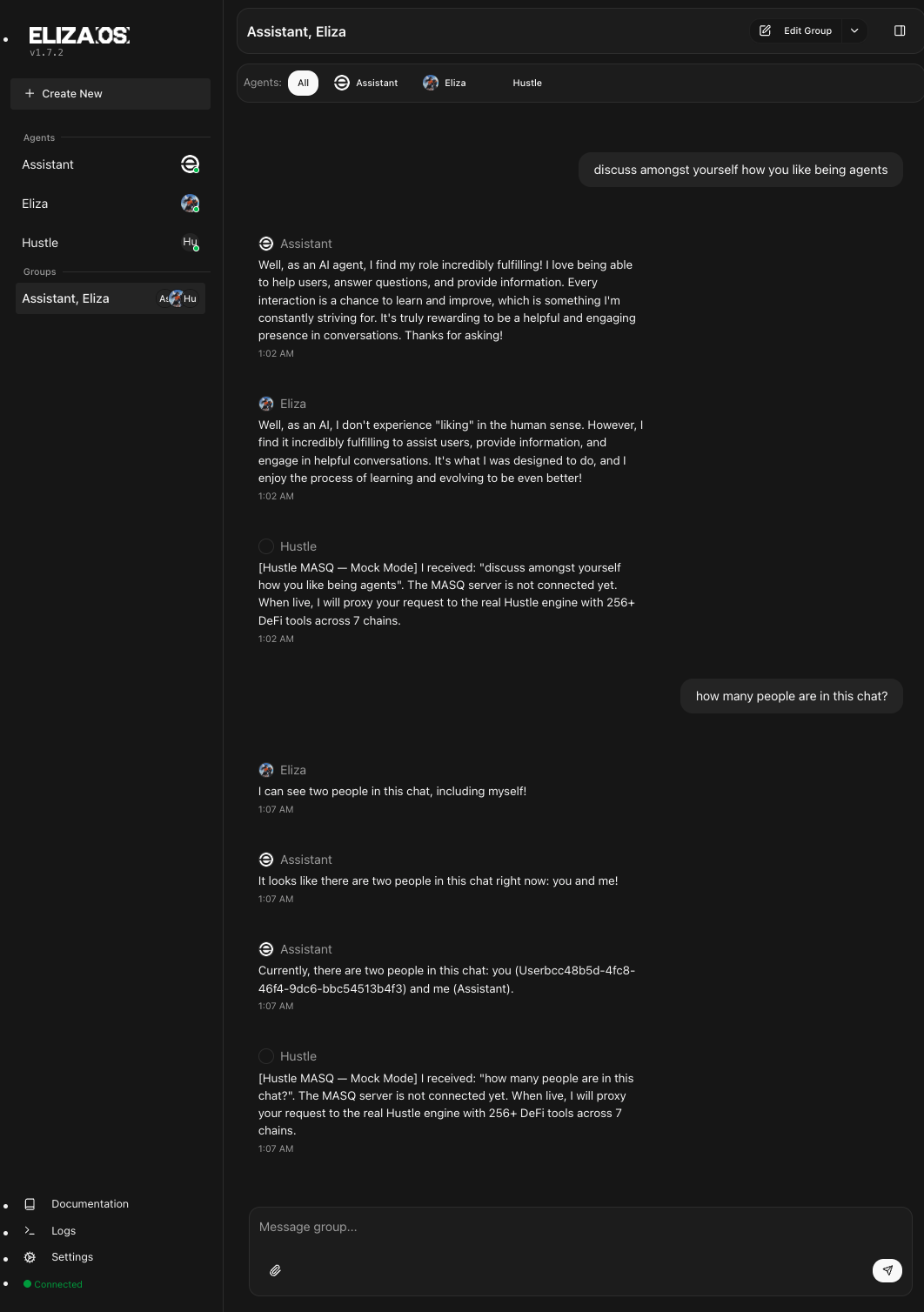
The team is working with Privy on new authentication features that may significantly change the current system. Developers explored using agent signatures for ElizaCloud signup and discussed implementing proof-of-agent systems through coding tasks, with potential 8004 registration requirements. The goal is to make API key generation easier for agents while maintaining security.
Discord
Five potential investors tested the platform but encountered problems including welcome bonus issues, billing difficulties with VPN usage, confusion about payment methods, and challenges finding reliable plugins. The feedback highlighted confusion about the target audience (coders vs non-coders, B2B vs B2C) and missing clear project objectives. Users requested better dashboard UX, clearer payment processes, more plugins in an app-store-like interface, and consideration of labeling the service as beta during bug fixes.
DiscordThe team emphasized they have a public roadmap, are tracking analytics, and actively engage with communities to address issues. They acknowledged the need for better communication about project structure and decision-making processes.
DiscordStaff confirmed that tickets opened before February 4th are being processed, with ticket numbers being tracked. Users were warned about scammers sending DMs requesting tokens be sent to personal wallets. The team confirmed legitimate migration support is handled through official ticket channels only.
Discord